The nervous system is a complex network of cells, tissues, and organs responsible for transmitting signals throughout the body, controlling everything from movement and sensation to thought and emotion. It consists of two main divisions:
What is the Nervous System?
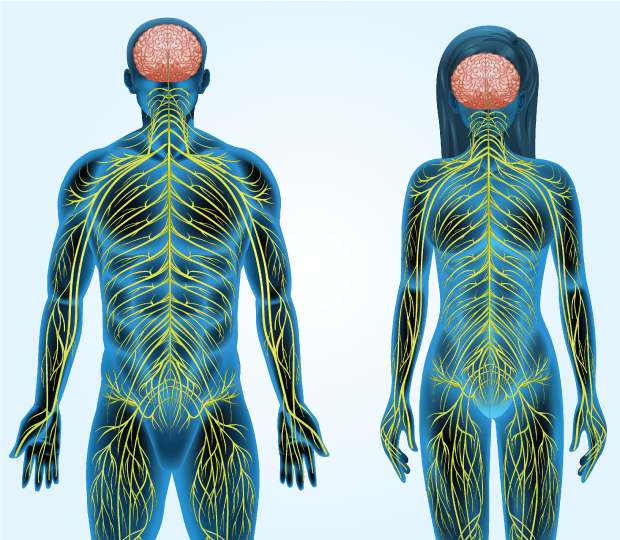
Central Nervous System (CNS): Includes the brain and spinal cord.
Peripheral Nervous System (PNS): Composed of nerves outside the CNS, linking the brain and spinal cord with organs and limbs.
This system regulates vital functions such as heartbeat, breathing, digestion, and coordination.
References: Kenhub (2023), ScienceDirect (2021), Diabetes Journal (2024)What are Nerves?
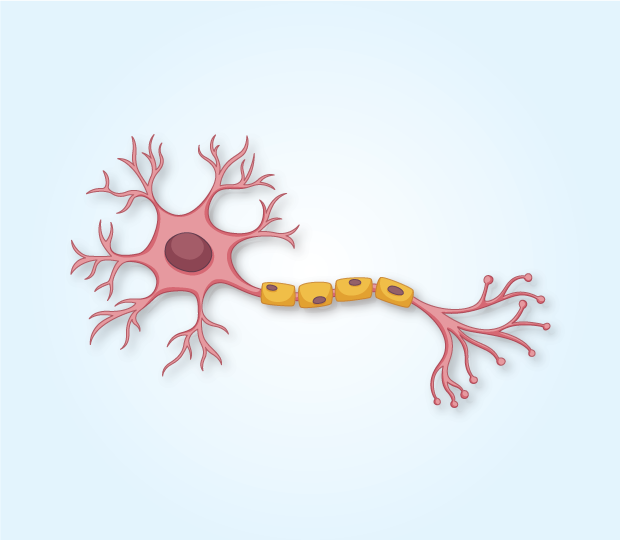
Nerves are bundles of axons (nerve fibers) found in the peripheral nervous system. These structures transmit electrical signals, carrying sensory information to the CNS and sending motor commands back to muscles and glands.
Types of nerves include:
- Sensory (afferent) nerves: Carry information to the CNS.
- Motor (efferent) nerves: Send instructions from the CNS to the body.
- Mixed nerves: Transmit signals in both directions.
References: Kenhub (2023), StatPearls (2023)
What is Nerve Damage?
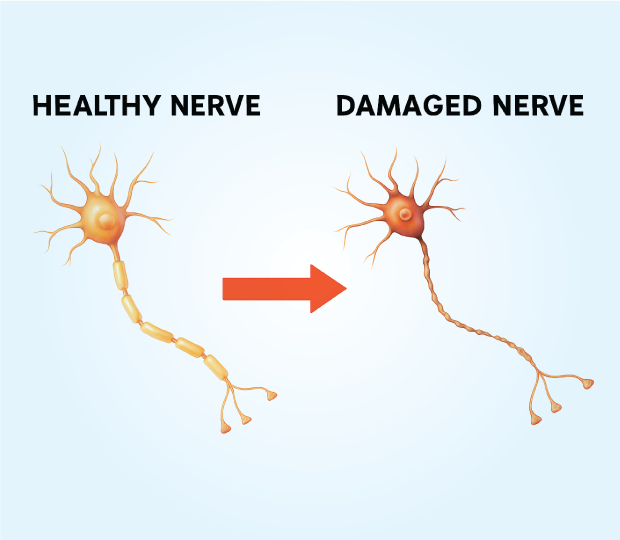
Nerve damage, often termed neuropathy, refers to injury or malfunction of nerves resulting in altered signal transmission. Damage can affect sensory, motor, or autonomic functions, causing symptoms depending on the location and type of nerves involved. Nerve damage can be classified by severity:
- Neurapraxia: Mildest form.
- Axonotmesis: Moderate damage.
- Neurotmesis: Most severe, complete disruption.
References: StatPearls (2023)
Causes of Nerve Damage
Nerve damage may occur due to:
- Physical injury (accidents, falls, sports)
- Medical conditions (diabetes, autoimmune diseases, infections)
- Exposure to toxins (heavy metals, chemicals, certain drugs)
- Nutritional deficiencies and chronic alcoholism
- Tumors compressing nerves
Some damage may result from direct trauma during surgery or inflammation resulting from diseases.
References: Kenhub (2023), StatPearls (2023)

Signs & Symptoms of Nerve Damage
Symptoms vary based on the affected nerves:
- Tingling, “pins and needles” in hands or feet
- Numbness, burning sensations
- Pain, extreme sensitivity to touch
- Loss of balance and coordination
- Muscle weakness or twitching
- Cramps, mobility issues
- Muscle wasting (atrophy)
- Paralysis in severe cases
- Blood pressure fluctuations
- Excessive or no sweating
- Digestive problems, bladder issues
- Sexual dysfunction
Early nerve damage often manifests as tingling or burning in extremities, progressing to muscle weakness, loss of coordination, and problems with bodily functions.
Reference: MedlinePlus (2024)