
What is Neuropathy?
Neuropathy is a disorder affecting the peripheral nerves, leading to impaired signal transmission between the nervous system and body parts. It can result from diseases, injuries, toxins, or genetic reasons, compromising sensation, movement, and organ function. Many forms exist, from acute and reversible to chronic or progressive.
Reference: StatPearls (2022), ScienceDirect TopicsWhat is Neuropathic Pain?
Neuropathic pain results from damage or dysfunction in nerves, spinal cord, or brain, causing abnormal pain signaling. Unlike normal pain, it often persists without any obvious injury or external stimulus, manifesting as burning, tingling, shooting, or electrical sensations.
Reference: PMC (2019), Harvard Medical School/NIH (2009), MSD Manuals (2025)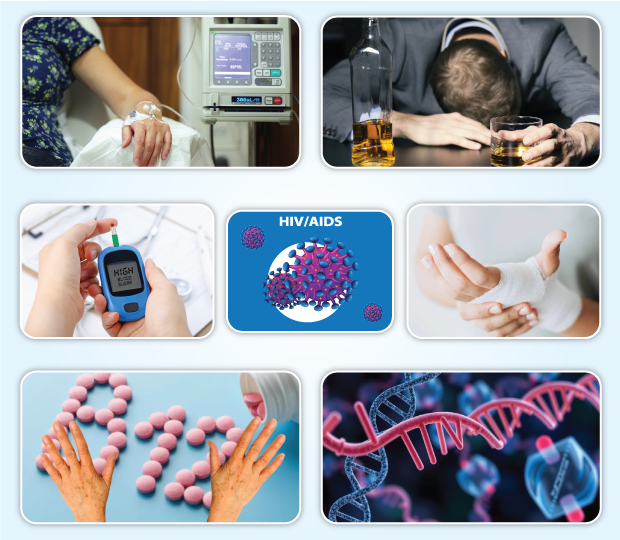
Causes of Neuropathic Pain
Neuropathic pain can develop due to:
- Diabetes (most common)
- Autoimmune diseases (e.g., lupus, Sjögren’s, Guillain-Barre)
- Viral infections (shingles, HIV, hepatitis B/C)
- Physical injuries or surgical trauma
- Cancer or tumors pressing on nerves
- Exposure to toxins (chemical or drug-induced, including chemotherapy)
- Vitamin deficiencies, alcoholism, hereditary conditions, and repetitive motions
Who Are at Risk?
Risk factors include:
- Poorly controlled diabetes
- Vitamin B-12 deficiency
- Chronic alcohol abuse
- Autoimmune and infectious diseases
- Kidney, liver, or thyroid disorders
- Family history of neuropathy and certain medications
- Repetitive movement and toxin exposure also raise risk.


How Common is Neuropathic Pain?
Prevalence of neuropathic pain in the general population is estimated between 6.9% and 10%, amounting to about 1 in every 10 adults over 30 years of age. Some studies suggest up to 35% of all chronic pain syndromes may have a neuropathic component.
Reference: Rev Dor (2016), BMC Fam Pract (2009)Complications of Neuropathic Pain
Untreated or severe neuropathic pain can lead to:
- Increased risk of burns, injuries, and wounds due to numbness, especially in feet and hands
- Infections from unrecognized injuries
- Muscle wasting from reduced movement
- Falls due to imbalance and loss of sensation
- Anxiety, depression, and sleep disturbances
- Quality of life and independence may be seriously compromised.


What Are the Treatments?
Neuropathic pain often requires a combination of medical approaches:
- First-line drugs: gabapentin, pregabalin (gabapentinoids), tricyclic antidepressants, SNRIs (duloxetine, venlafaxine)
- Second-line: topical agents (lidocaine, capsaicin), tramadol, tapentadol
- Third-line: strong opioids (morphine, oxycodone), botulinum toxin (BTX-A)
- Other supportive measures include physical therapy, psychological counseling, and nerve blocks.